

5 Proven SOR-Aligned Strategies Make Kindergarten Sight Words Stick
Have you ever spent weeks working on sight words with your students—only to find your students can’t remember ‘are’ or ‘was’ to retrieve them while reading? You’re not alone.
In the past, teaching sight words meant memorizing lists of words. Words were pulled from Fry or Dolch high-frequency word lists or from district curriculums. Teachers often introduced 3–5 new words at a time, typically in order by frequency or alphabetical order.
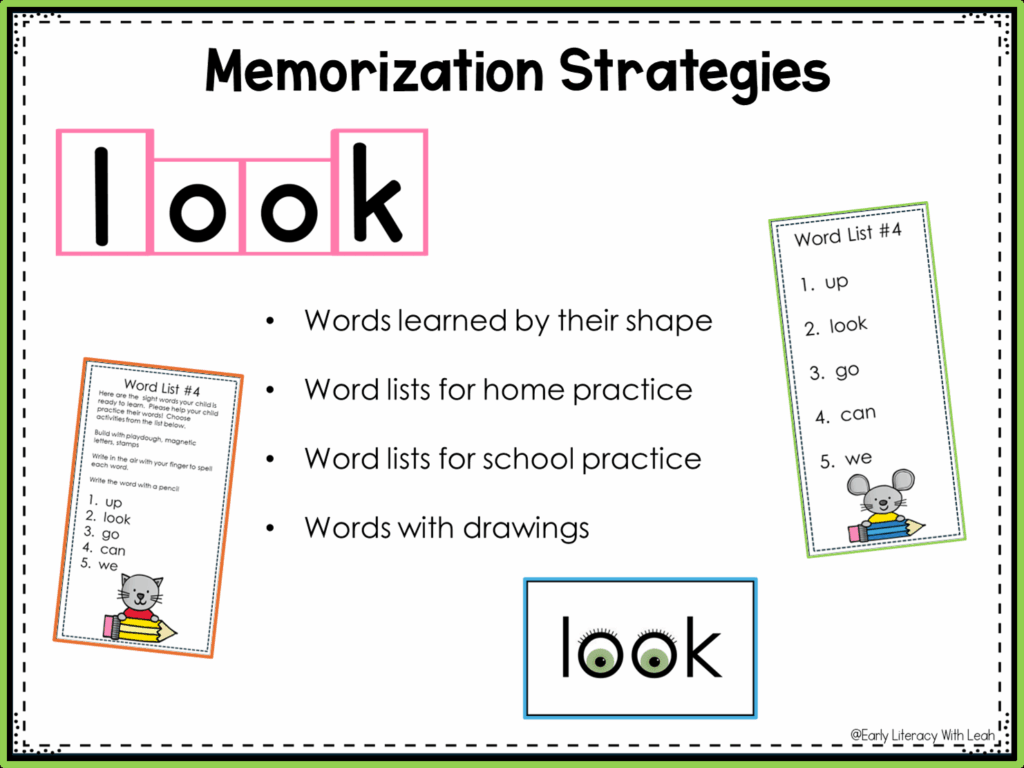
While some children quickly memorized sight words after just a few exposures, many others—especially new readers, striving readers, and multilingual learners (MLLs)—needed much more practice. In fact, some children required up to 400+ exposures to master a single word.
Fast forward to today: research now supports a far more effective strategy—orthographic mapping. This brain-based method helps students store words in long-term memory so they can recognize them automatically while reading.
1. What Is Orthographic Mapping?
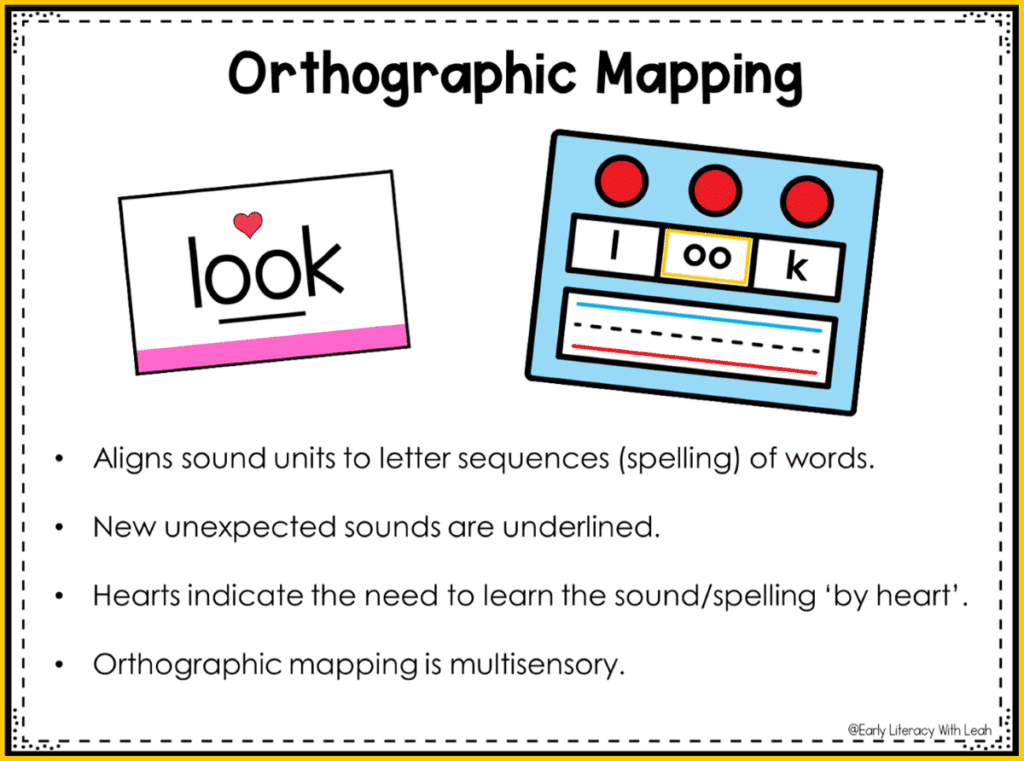
Orthographic Mapping is the process of connecting letters to sound units and then connecting those sounds to words that are in a child’s oral vocabulary. This process supports learning to recognize and understand words quickly.
Orthographic mapping not only improves how children learn sight words but also how they spell and decode new words. It’s a game-changer in the classroom, especially for early readers.
Vocabulary also plays a key role. When a word is already part of a child’s spoken vocabulary, orthographic mapping makes it easier to recognize that word in print – and to add new words in the future.
2. How Orthographic Mapping Helps Teach Sight
Words in Kindergarten
Memorizing sight words often takes dozens of exposures and for some children even hundreds of exposures. In contrast, orthographic mapping helps students lock in sight words much faster—especially when taught with structure and intention.
Here’s how to teach kindergarteners sight words using orthographic mapping:
- Start with a word the child uses orally (like said or can).
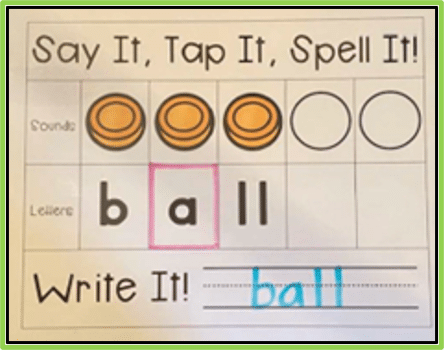
- Say the word and tap out the sound units.
- Match each sound unit to the corresponding letter(s).
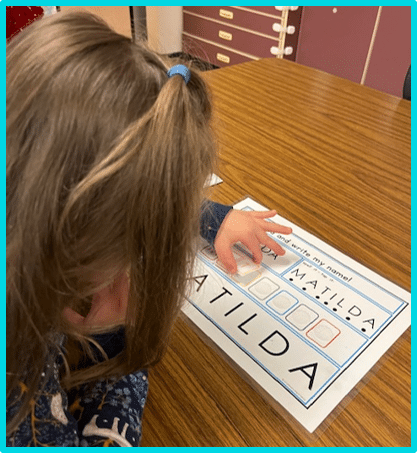
- Use tools like Elkonin Boxes or mapping templates to map out or graph, each sound unit.
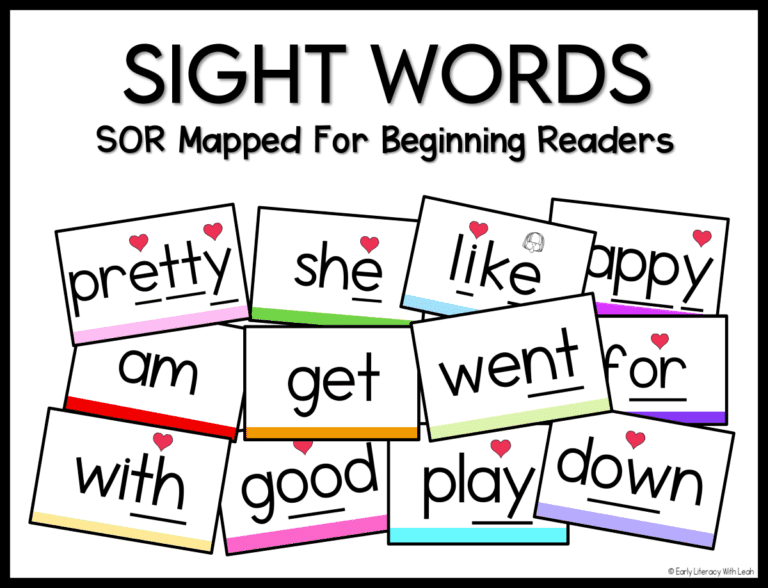
- Highlight irregular parts (called “heart parts”) and explain them clearly.
- Practice writing the word, saying each sound unit aloud.
Heart Words: Words that contain irregular parts that students must remember ‘by heart’ because they don’t follow typical phonics rules; (said, was, are) have irregular spellings of
sound units.
Flash Words: Fully decodable words that students can phonetically map and recognize quickly; (can, in, but) sound out and have regular sound units for each letter.
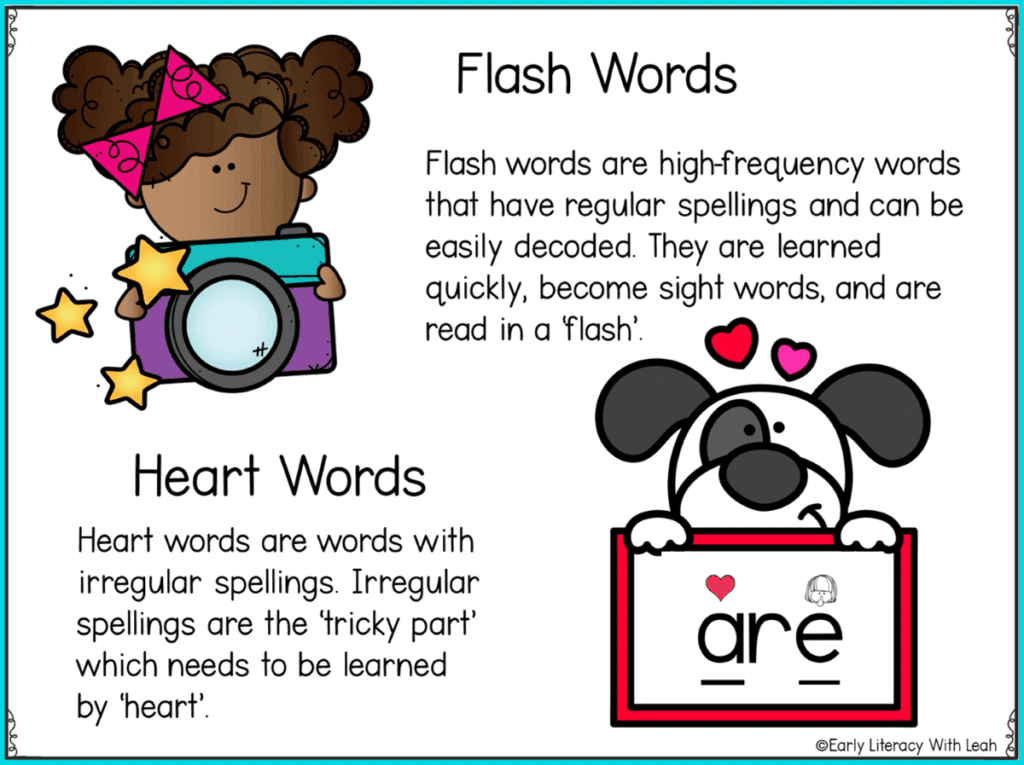
Tip: New readers and MLL students benefit from more explicit instruction and repeated practice with heart words and flash words.
3. Two Key Benefits of Orthographic Mapping for Sight Word Learning
- Orthographic mapping works with any word list. Whether your district uses Fry sight words, Dolch sight words, or a publisher’s list, orthographic mapping can be applied consistently across the board.
- Orthographic mapping is even more successful when spelling patterns are utilized. Teaching words like go, no, and so together helps students learn to read sight words more efficiently by reinforcing phonic spelling patterns. Our brains LOVE patterns!
When teachers group high-frequency words by spelling pattern instead of teaching them in isolation, sight word instruction becomes more meaningful and connected to phonics instruction. It’s a big improvement over the old ‘memorize and move on’ approach!
4. Organizing High-Frequency Sight Words into Phonics Lessons (3 Easy Steps)
To start teaching sight words with a phonics-based approach, follow these steps:
Make your word list. Use your district’s curriculum or resources like Jan Richardson, Nellie Edge, and Dolch or Fry sight words to compile your target list. I liked using words from multiple sources when I created my list.
Sort by pattern. Group your word list into phonics-based categories, such as Heart Words (with irregular spellings) and Flash Words (fully decodable). The following 13 spelling patterns are the basic spelling patterns that I used in kindergarten and first grade:
- vc (in, it, am, etc.)
- cvc (can, did, get, etc.)
- digraphs (that, them, with, etc.)
- short vowels with ending blends (and, help, jump, etc.)
- cv, word I (he, go my, etc,)
- _nk (thank)
- cvce (like, make, time, etc.)
- vowel teams with long vowel sounds (play, Dear, see, etc.)
- r-controlled vowels (girl, her, or, etc.)
- vowel teams with an unexpected ‘new’ sound (new, out, boy, etc.)
- long and short vowels (funny, happy, etc.)
- single syllable – irregular spelling (to, the, put, said, etc.)
- multi syllable – irregular spelling (pretty, etc.)
Align with your curriculum. Plug your grouped words into your district’s phonic scope and sequence. This ensures you meet both curriculum goals and students’ needs.
Orthographic mapping helps all readers—but it especially benefits beginning readers, striving readers, and MLL students—by making sight words easier to decode, spell, and retain.
5. Multisensory Sight Word Learning in Kindergarten
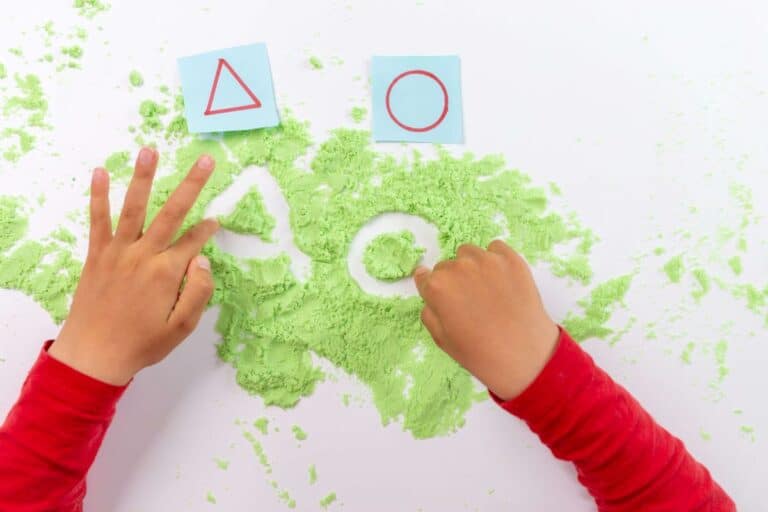
Young learners benefit from activities that are child-friendly, hands-on, and are based on multisensory strategies that go beyond pencil and paper. Engaging sight words through multisensory strategies boosts memory and makes learning more fun! Using sight, hearing, movement, and touch gives kids more than one way to connect with what they are learning.
Research also shows that multisensory learning helps students retain sight words more effectively than traditional methods. By involving touch, sound, and visual input, orthographic mapping becomes even more powerful.
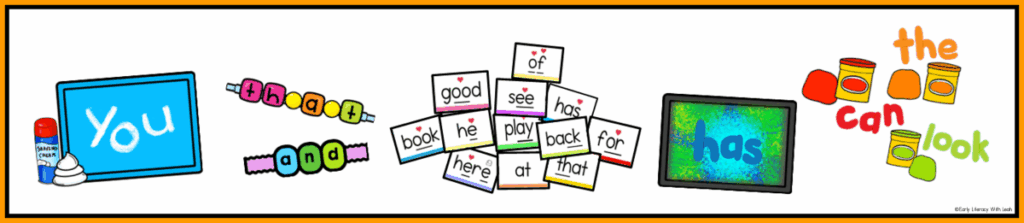
Try these hands-on activities in your classroom. Children who find learning to read easy will love practicing sight words with hands-on activities. Children that are striving readers will enjoy these hands-on activities in tandem with direct instruction:
- Shaving cream writing
- Letter beads
- Flashcards
- Fingerpaint writing
- Playdough letters
- Wikki Stix or pipe cleaners
- Letter stamps
- Sandpaper or textured letters
Use these multisensory, hands-on activities during whole-group instruction, small groups, or even literacy centers. They make sight word practice more engaging—and more effective!
Final Thoughts
Orthographic mapping doesn’t just help kids learn sight words—it helps them build a stronger foundation for reading, spelling, and confidence.
When we shift from memorization to mapping, we empower every learner to succeed.
Related Posts and Resources
Additional blog posts:
Literacy Centers in K-1 are Magical and Empowering.
Orthographic Mapping Brilliance: 7 Proven Tips For Sight Word Success.
3 Smart Ways to Use SOR Flashcards for Sight Word Success.
Related resources:
Literacy Center Rotation Cards for kindergarten and first grade. 36 cards that support hands-on multisensory activities that enhance literacy learning.
103 SOR Sight Word Flashcards for Beginning Readers + BONUS Mapping Resources. Flashcards are grouped by spelling patterns and color-coded for easy use.

Together, let’s bring the magic of literacy to your early learners!