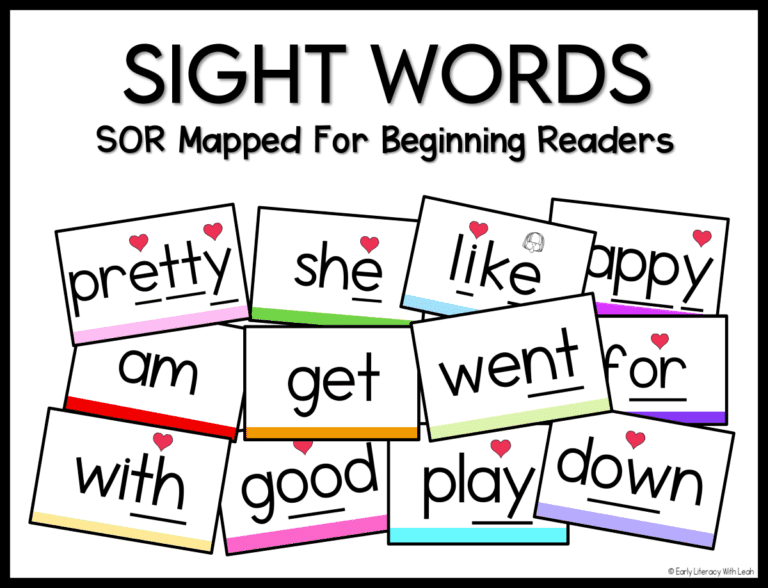




Orthographic Mapping Brilliance: 7 Proven Tips For Sight Word Success

You’ve probably heard that orthographic mapping is essential to become a confident reader—but what exactly is it, and why does it matter so much in kindergarten?
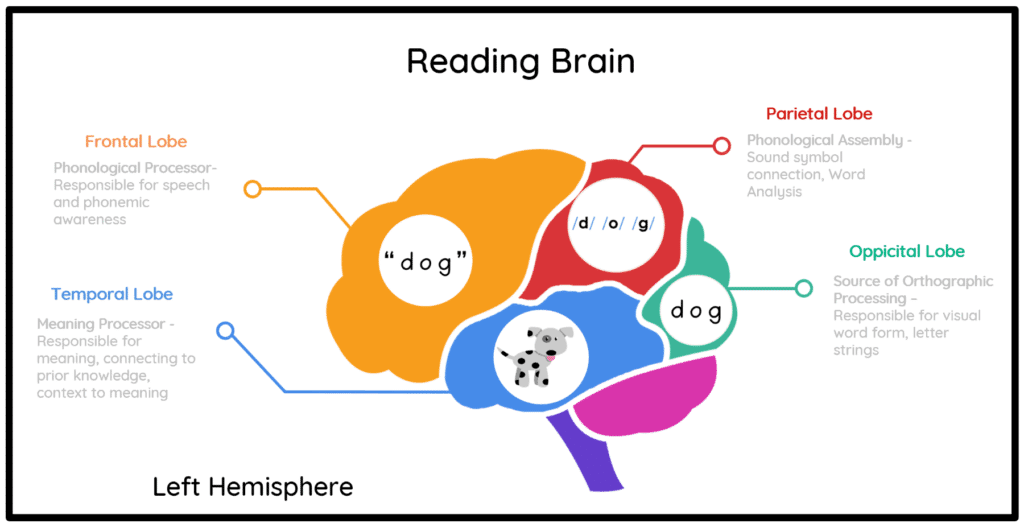
Orthographic mapping is the mental process we use to permanently store words in long-term memory. It’s how we learn sight words—and how those words become automatic. This process helps children decode new words and recognize familiar ones quickly.
Notably, orthographic mapping is not about visual memorization. In fact, whole-word memorization is no longer considered the most effective way to teach sight words. Instead, aligning sounds (phonemes) with letters (graphemes) is what helps words truly stick.
What Words Can Be Orthographically Mapped?
Here’s the amazing part about orthographic mapping: any word can be orthographically mapped—whether it’s a high-frequency word, an irregular word, or a phonetically regular one. As long as students can connect the sounds, letters, and meaning, the word can be stored as a sight word. More advanced readers map words naturally when exposed to them while reading. Beginning readers on the other hand benefit from explicit instruction.
Fun fact? Adults orthographically map 30,000 -70,000 words! That means most of the words you’re reading right now are sight words for you. They’re part of your vocabulary and are retrieved instantly. So cool, right?
Sight Words vs. Decodable Words: What’s the Difference?
Try reading this word:

If you know it, chances are you didn’t have to sound it out—it’s a sight word for you. But here’s another one:

Unless you’re in the medical field, this might have required some serious decoding!
The takeaway? A word becomes a sight word when it’s been stored through repeated exposure, phoneme-grapheme alignment, and it is in your vocabulary bank — not because of its size or its difficulty. For our young readers, this means that strong vocabulary development is essential for their decoding skills.
3 Key Skills That Support Orthographic Mapping
Orthographic mapping isn’t a skill you teach directly—it’s a process the brain uses. But you can still teach skills that support it! Here are the big three:
- Phonemic Awareness: Students need to hear, identify, and manipulate sounds in words.
- Alphabetic Principle: Students recognize letters and their sound units. They can match letters to phonemes and they can match phonemes to letters. (Two different skills.)
- Decoding and Blending: Students sound out simple phonetic words quickly and accurately.
How Do You Know When Students Are Ready for Orthographic Mapping?
When children can blend basic CVC words, apply the alphabetic principle, and manipulate sounds, they’re ready to begin learning sight words.
This is where orthographic mapping kicks in. It helps match the sounds in a word to the letters that represent those sounds—allowing the word to stick in memory and be recalled effortlessly.
Best Practices to Promote Orthographic Mapping
Here’s how you can support orthographic mapping through your daily teaching:
- Use Explicit Instruction: Choose words that follow your phonics scope and sequence.
- Provide Systematic Practice: Offer repeated opportunities to read and write words.
- Add Multisensory Tools: Use manipulatives to physically represent sounds and letters.
High-Frequency Words and Phonics Instruction
Learning high-frequency words is essential for reading fluency and comprehension as they make up a significant portion of written text. It makes sense to teach and orthographically map high-frequency words to enable them to become sight words.
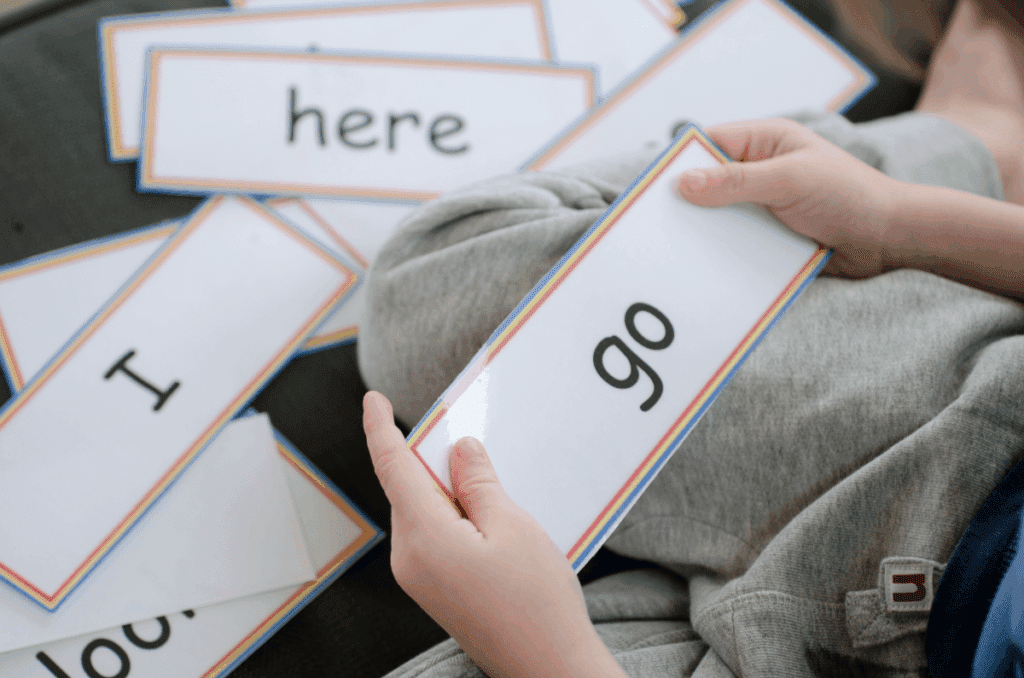
Pair high-frequency words and phonics instruction for a powerful combination that promotes orthographic mapping. To do this:
– Follow a clear phonics scope & sequence.
– Introduce 3–5 high-frequency words per week for typical students
– Focus on one spelling pattern at a time.
– Teach multiple words with the same spelling pattern.
*Include other high-frequency words with the same pattern and teach additional words with
the same spelling pattern:
CV sight word (go) with additional high frequency words: go, no, so
CVC sight word (can) with additional spelling pattern words: can, Dan, fan, Jan, man, pan,
ran, tan, van.
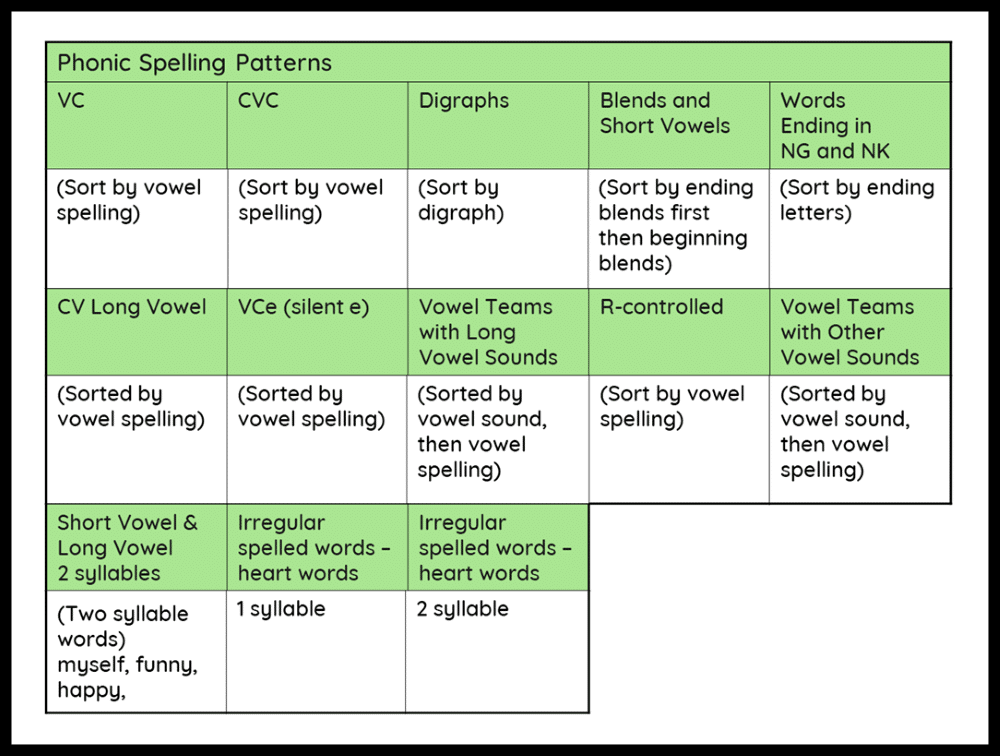
You may be interested in reading more details on the Reading Rockets website about pairing phonics spelling patterns with high frequency words.
The impact: using a phonics scope and sequence, systematic instruction, and teaching words with similar spelling patterns enhances orthographic mapping.
I am curious — which phonics scope and sequence do you use? A district scope and sequence? A publisher’s scope and sequence? A research based scope and sequence? A teacher-proven scope and sequence?
Try This: 3 Engaging Phoneme-Grapheme Mapping Activities
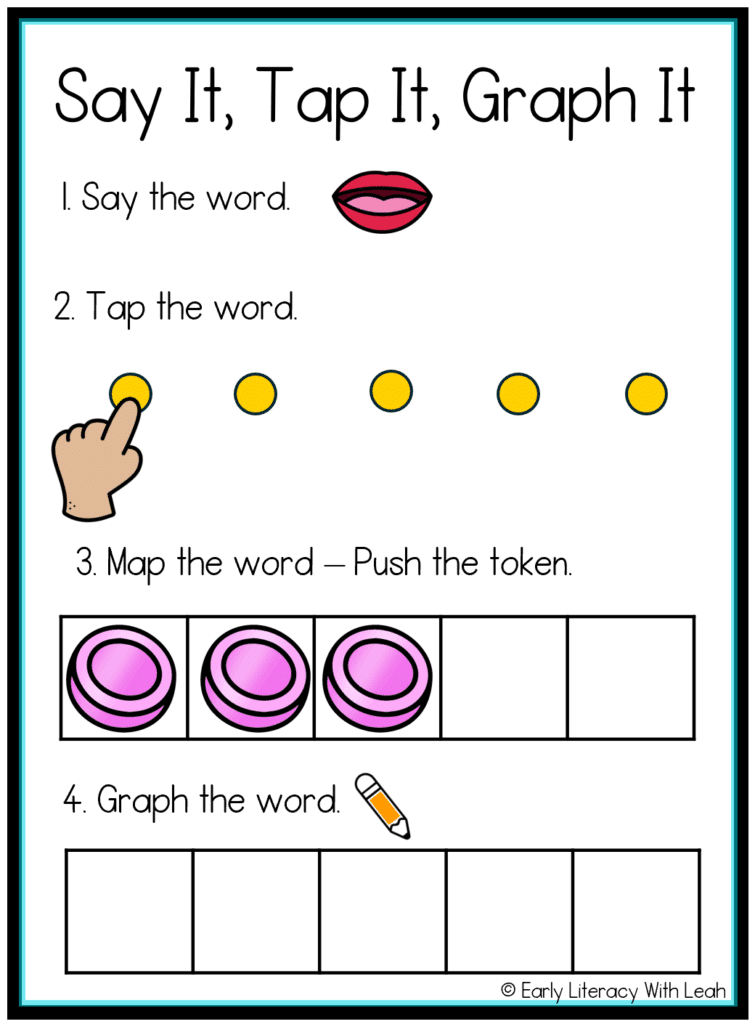
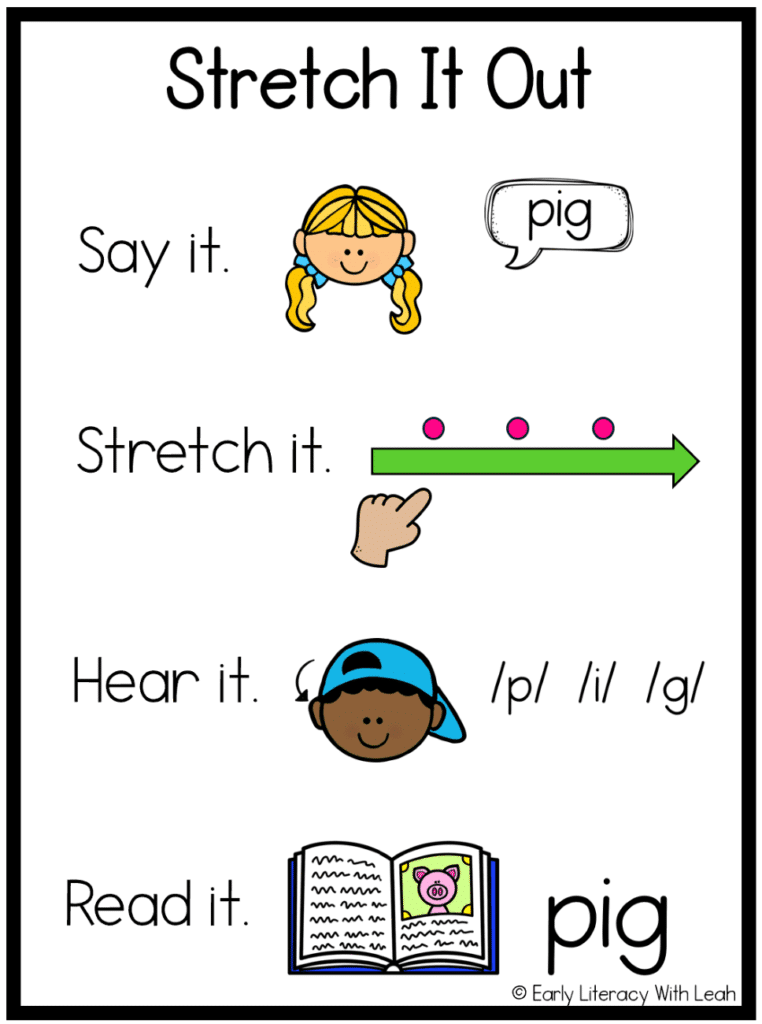
There are many differing types of orthographic mapping templates. The important components of all of templates is that children hear the word, tap and count the sound units, map the sound units with markers/tokens, and write the letters which represent the sounds.
– Tap It, Map It, Graph It: Tap the sounds, map them, and write the letters.
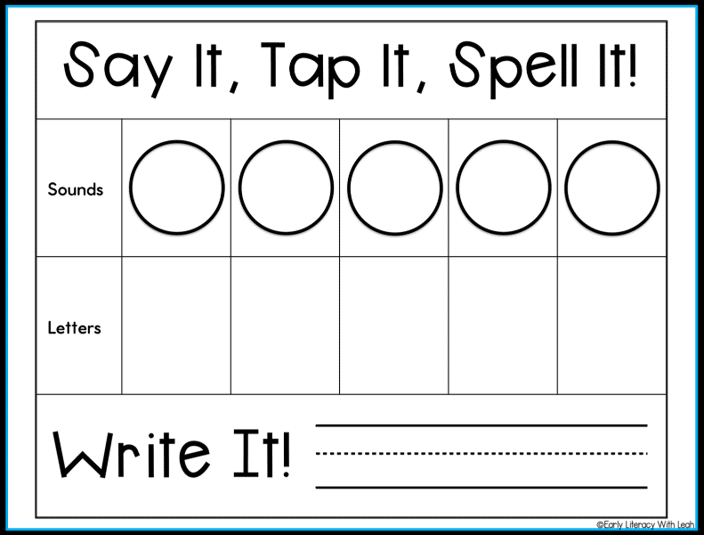
– Sound Boxes: Say each sound and move a marker before writing the letter.
– Say It & Stretch It: Emphasize each sound and write corresponding letters.
Orthographic Mapping Matters—Especially for Our Most Vulnerable Learners
Did you know that multiple sight word practice of orthographically mapped words is essential for some students? The data below suggests that many children would benefit from repeated exposures:
– Most children need 4–14 exposures.
– Striving readers may need up to 40.
– Struggling readers may need 400+!
The bottom line: repetition with variety is key to helping all learners succeed — and crucial for our striving and struggling learners.
Wrap-Up: Teaching That Builds the Brain
Orthographic mapping is powerful—but it’s not magic. It happens when we combine strong foundational skills with intentional instruction.

You’re not just teaching sight words—you’re helping our youngest learners begin their path toward becoming lifelong readers. ❤️
Related Posts and Resources
Read more about sight word tips in:
5 Proven SOR-Aligned Strategies to Make Sight Words Stick in Kindergarten.
3 Smart Ways to use SOR Flashcards for Sight Word Success.
Products to Explore
103 SOR SIGHT WORD FLASHCARDS for Beginning Readers + BONUS Mapping Resources

Together, let’s bring the magic of literacy to your early learners!