


10 Proven Fluency Practice Activities That Boost Kindergarten Success
Why Is Fluency So Important?
Have you ever wondered why some beginning readers sound choppy while others read smoothly and confidently?
When I first started teaching, I thought fluency wasn’t very important. I was just happy my kindergarteners were beginning to sound out cvc words and read. I didn’t realize how deeply it connects to comprehension—or that it could be supported in developmentally appropriate ways with our youngest readers!
Fluency is more than speed. It includes four key elements: accuracy, rate, expression, and automaticity. Once I understood these elements, I realized just how much we can do to help early readers build fluency from the start.
In this post, we’ll explore:
- What and how fluency supports comprehension
- What it looks like in kindergarten and first grade
- How to assess it
- Practical ways to build and practice it in the K–1 classroom
Let’s dive in!
What Is Reading Fluency?
Fluency is the ability to read with accuracy, appropriate speed, expression, and automaticity. When children become fluent readers, they can focus less on decoding and more on making meaning from the text.
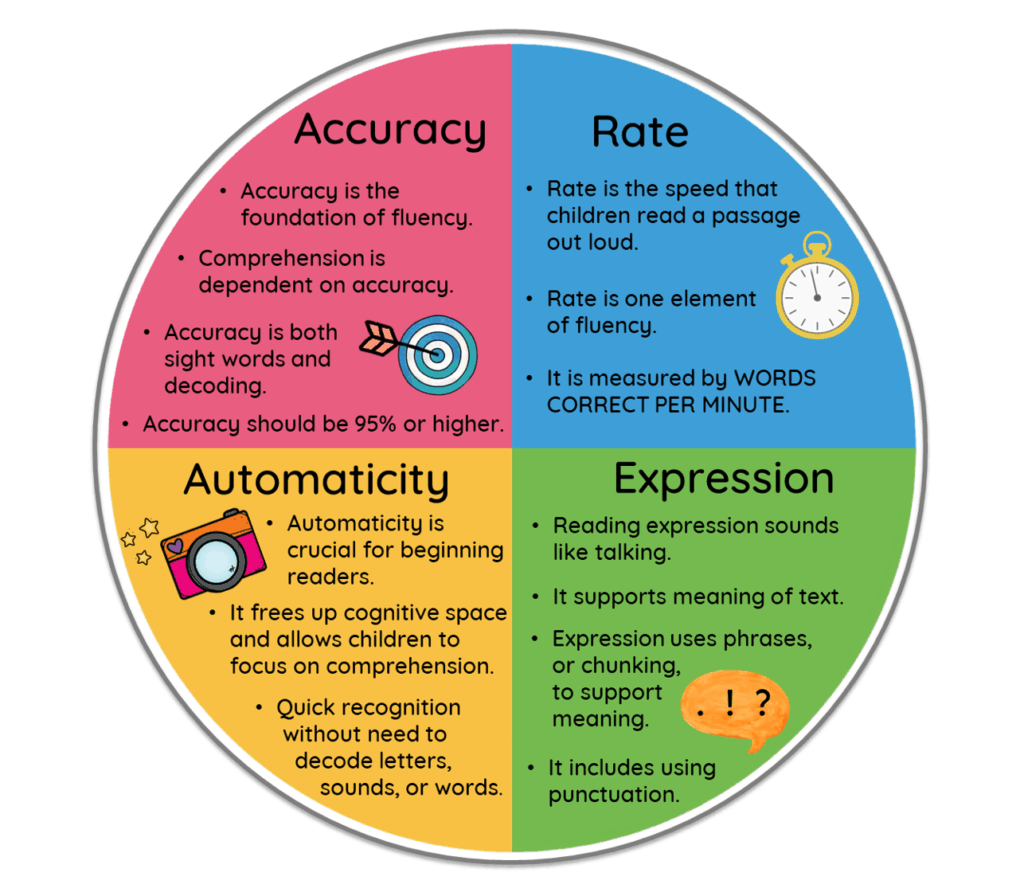
Here’s a quick breakdown of the four key elements of fluency:
- Accuracy: The ability to read words correctly (typically 95% accuracy or higher).
- Rate: The speed at which a child reads. We measure this using WCPM—Words Correct Per Minute.
- Expression: Reading with intonation and phrasing, which supports comprehension and makes reading sound like speaking.
- Automaticity: The ability to recognize words effortlessly, freeing up brain space to focus on meaning rather than decoding.
Fluency may start with accurate word reading—but it ends with joyful, expressive, and meaningful reading. ❤️
What Does Fluency Look Like in Kindergarten?
In kindergarten, strong reading begins with phonemic awareness, phonics, and decoding skills. As children build those foundations, they begin to recognize words more easily, read in phrases, and use expression.
Two key pieces help support reading in early readers and encourage growth toward accuracy, rate, expression and automaticity:
1. Automaticity with Letters, Sounds, and Words
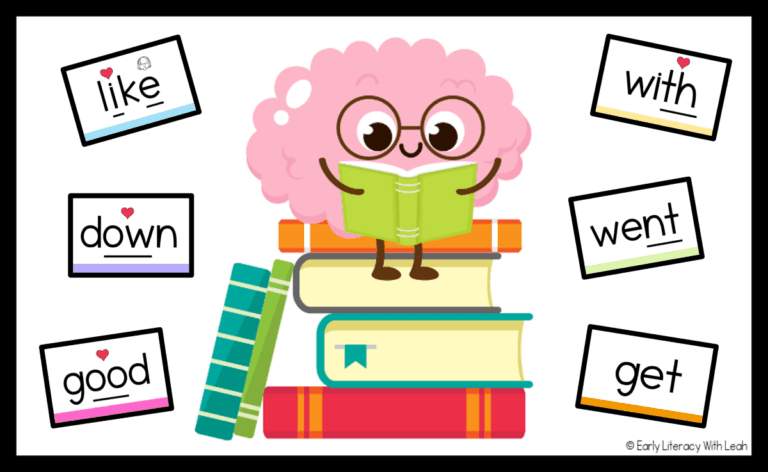
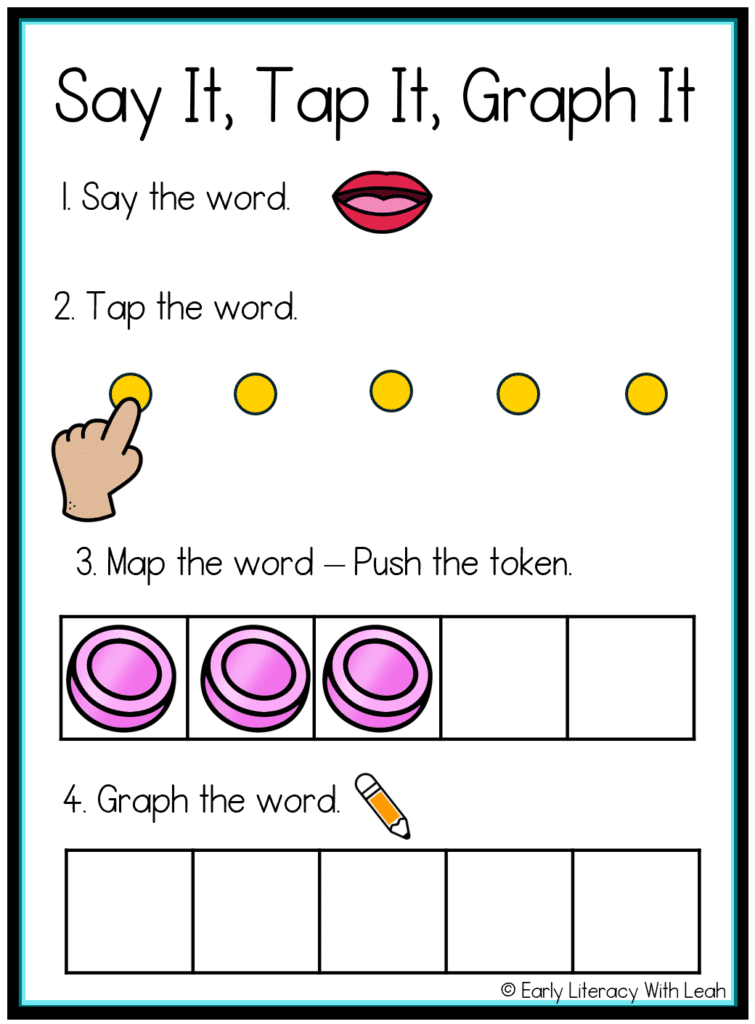
David Kilpatrick emphasizes that orthographic mapping—the mental process of connecting sounds to letters in a word—is key to fluency. By practicing sight word mapping and reinforcing phoneme-grapheme connections, we help students store words for instant, effortless recall.
2. Finger Pointing to Track Print
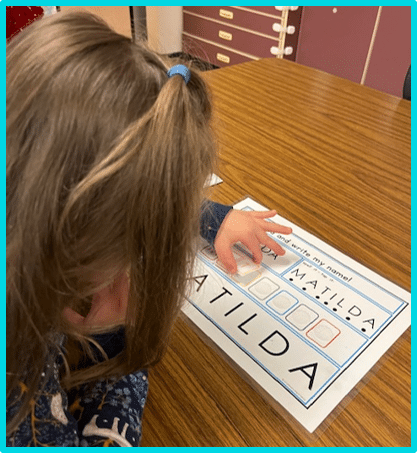
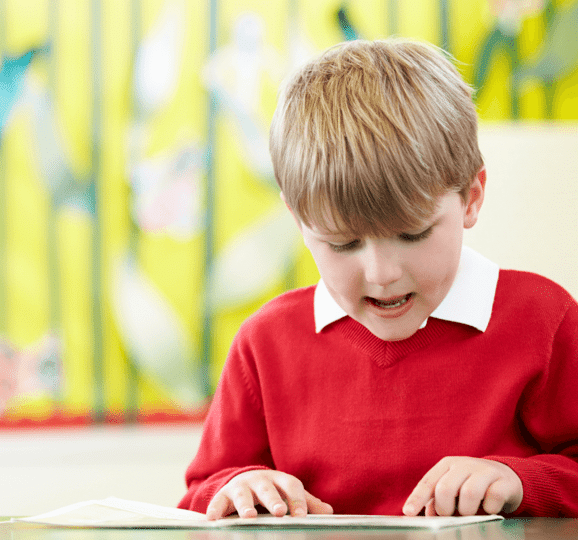
Research by Ehri and Sweet (cited by Timothy Shanahan) highlights the importance of finger pointing as a bridge to strong confident reading. When students point to words while reciting familiar songs, poems, or predictable texts, they’re practicing one-to-one matching and learning how print works—essential early steps for beginning readers.

Why Do Sight Words and Finger Pointing Matter?
Both sight word mapping and finger pointing play an important role in supporting accuracy, rate, expression and automaticity.
- Sight word instruction grounded in orthographic mapping helps children store
high-frequency words for quick retrieval. - Finger pointing helps children match the tempo of spoken language to printed words, building awareness of spacing, directionality, and word boundaries.
That’s why it’s so helpful to intentionally teach and model these skills in PreK, kindergarten, and early first grade classrooms.
How Do You Assess Accuracy, Rate, Expression and Automaticity?
Assessing accuracy, rate, expression and automaticity doesn’t need to be complicated! Even short 1-minute reads can give you helpful insight into how your students are progressing.
Key Assessments for Early Reading Fluency:
To assess: Have students read a grade-level passage aloud for 1 minute. Mark any errors as they read, subtract the errors from total words read, and record the result as WCPM.
- RAN: Rapid Automatized Naming – Measures automatic recall of letters, sounds,
or words. - ORF: Oral Reading Fluency – Measures rate, accuracy, and expression.
- CBM: Curriculum-Based Measurement – Often used with ORF to track progress.
- WCPM: Words Correct Per Minute – The number of accurate words read in one
minute.
Assessments can be short and quick! Even 1-minute reads can give you helpful insight into how your students are progressing.
When to Assess:
- Kindergarten: Focus on RAN with (letters, sounds, and work up to sight words). Practice both sight words and decoding instruction daily.
- First Grade: Continue RAN as needed. Begin ORF assessments in winter and
spring to monitor progress. Practice both sight words and decoding instruction daily.
15 Strategies for Teachers to Include in a Fluency Routine
The following are some powerful teacher-led strategies to implement from day one:
- Teach decoding with intention
- Use decodable passages
- Focus on orthographic mapping and “heart words”
- Teach and review sight words
- Model with poems, songs, chants and big books
- Read aloud across genres
- Use Language Experience stories
- Incorporate repeated readings
- Re-read texts with silly or expressive voices
- Practice choral and echo reading
- Use punctuation play (! ? .)
- Practice with sentence stems and frames
- Act out sentences with movement (TPR)
- Provide audio-assisted reading
- Scaffold expression through interactive read-alouds
10 Independent Practice Ideas for K–1 Readers
The following are student-friendly ways to practice fluency independently or with a partner:
- Partner Reading – always a motivator. Children don’t even realize they are working on fluency.
- Readers’ Theater – partner plays rewritten from class favorites. My children loved Elephant and Piggie adaptations that they help write.
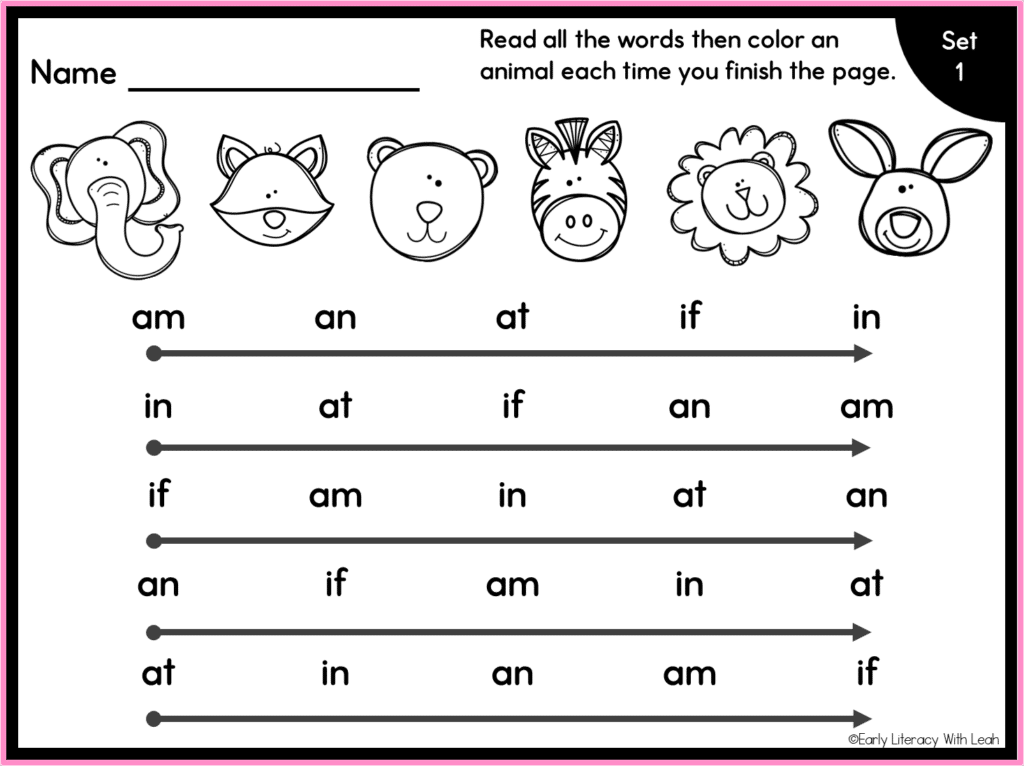
- Repeated Reading (use sight words) – Provide multiple exposure for the same 5 words.
- Pocket Chart Poems, Songs and Chants – One of the best activities to check in on student understanding and to practice accuracy, rate, expression, and automaticity — and build classroom community too.
- Pyramid Reading Passages – Use short decodable for sentences. Focus is on increasing rate not on decoding.
- Sight Word Building and Matching – Choose activities that focus on letter sound spellings.
- Read with Puppets or Silly Voices – An easy, fun way for children to practice that is truly motivating.
- Decodable Readers – Beginning readers need to easily read text multiple times. Decodable readers are a great resource to fill this need.
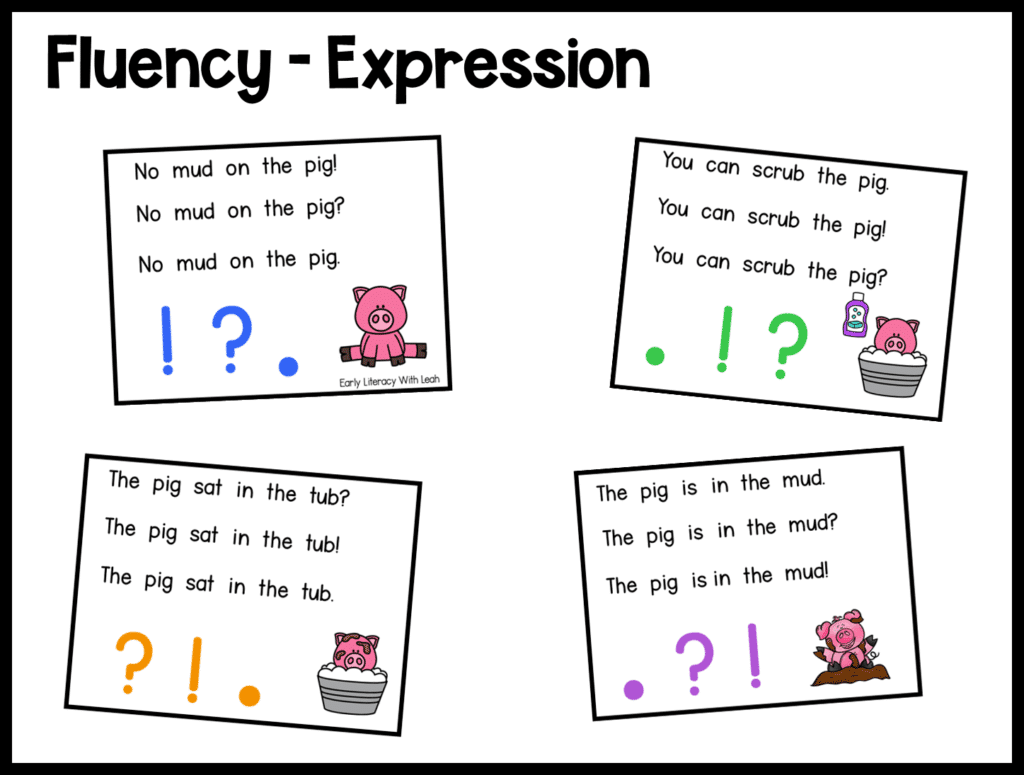
- Punctuation (. ? !) Expression – The same sentence can be read multiple ways.
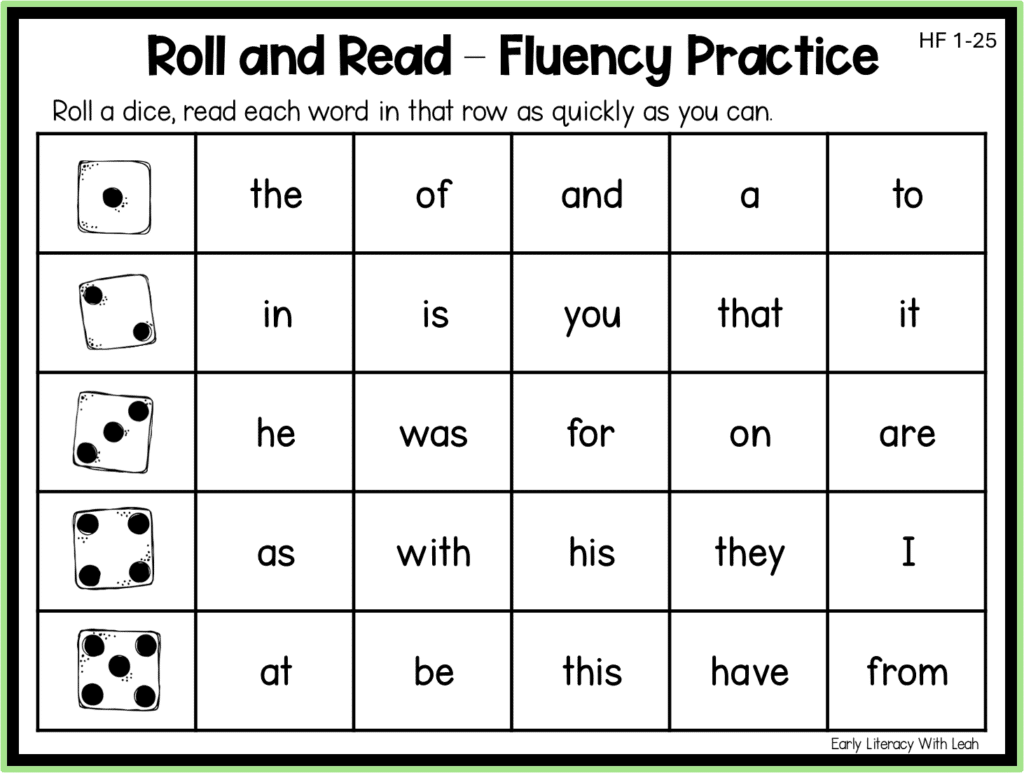
- Roll-and Read (e.g., First 25 High Frequency words for Reading and Writing)
Final Thoughts: Why Fluency Matters
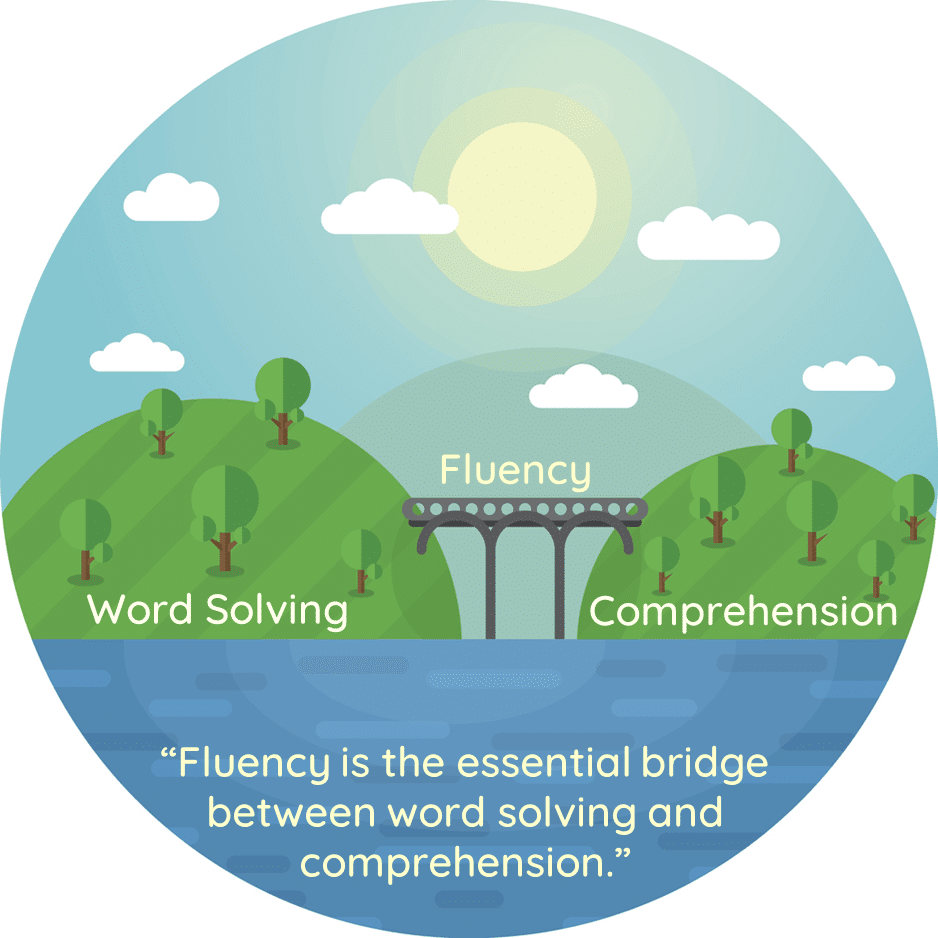
Fluency is a powerful link between decoding and comprehension. When young readers build fluency, they gain the confidence, ease, and stamina to understand what they read—and enjoy it!
As K–1 teachers, we have the opportunity to nurture fluency right from the start. With thoughtful instruction, playful practice, and consistent assessment, we can help every child grow into a fluent, joyful reader.
Related Posts and Resources
Would you like to read more about fluency for struggling readers? Timothy Rasinski has an interesting article you might enjoy. Delivering Successful Fluency Instruction – Especially for Students that Struggle.
You might also like my post on orthographic mapping, Orthographic Mapping Brilliance: 7 Proven Tips For Sight Word Success.
Sight Word Fluency – RAN Rapid Automatized Naming Practice for Beginning Readers is a resource that supports independent fluency practice. Check it out at Early Literacy with Leah on TPT.

Together, let’s bring the magic of literacy to your early learners!