


Explicit Handwriting Instruction for Early Learners: 7 Proven Sequential Skills and Strategies
Getting started with handwriting instruction for early learners can feel like a big task—but it doesn’t have to be! With a little guidance, a lot of encouragement, and developmentally appropriate routines, we can make learning to write fun and doable. One of the first steps? Helping children understand how letters are made using simple strokes and shapes. When we begin here, we’re giving kids the tools they need to feel confident right from the start.
Lines and Curves
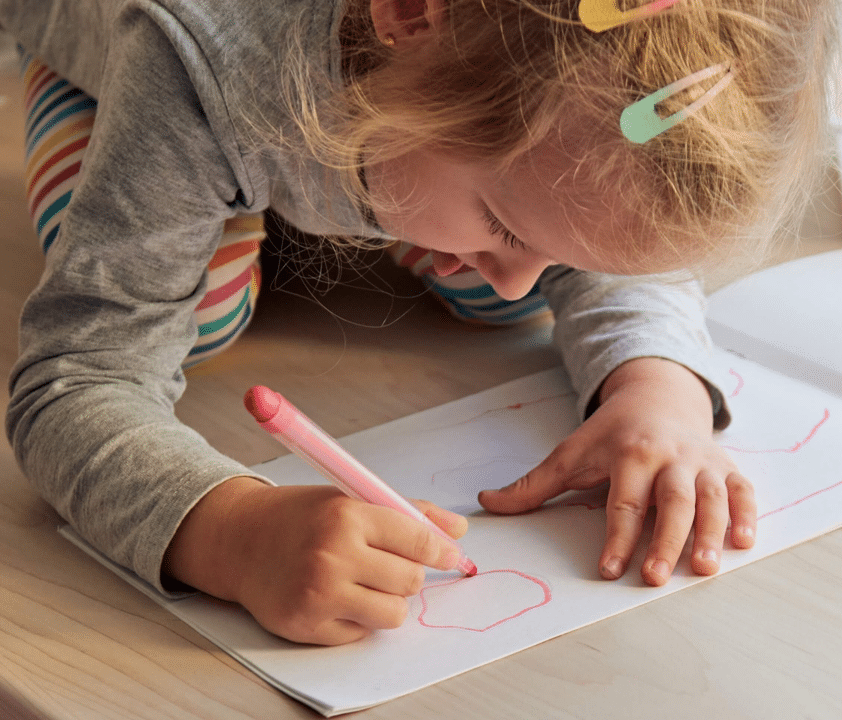
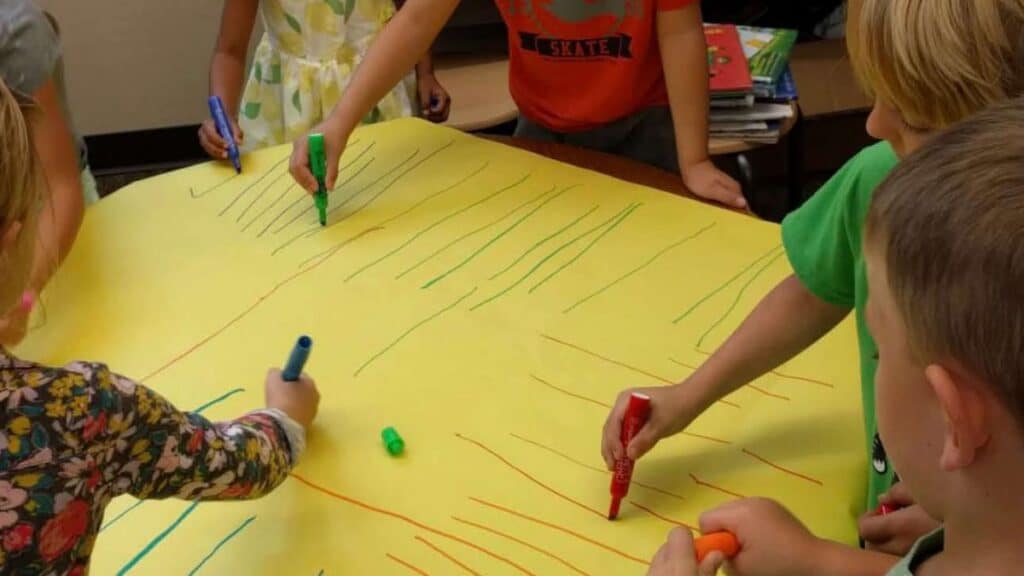
Since letters are created using a combination of lines and curves that form their unique shapes, children benefit from spending time identifying and practicing these foundational strokes. Exploring lines and curves is the first step when teaching handwriting instruction for early learners. Pre-writing strokes, elements of drawing, and direct drawing activities all help children focus on fine details—setting the stage for successful letter formation.
Uppercase and Lowercase Letters
As children grow in their understanding, they learn that letters come in two types—uppercase and lowercase—each type with its own special rules for when and how to use them. Because lowercase letters appear far more often in both reading and writing, handwriting instruction for early learners should include both types, with an emphasis on lowercase letters whenever possible. Think of a simple sentence in a book, most of the letters are lowercase! Helping children become confident with these common letter forms lays a strong foundation for both fluent writing and reading.
Letter Writing Lines and Letter Formation
Letter lines and letter formation are important components of handwriting instruction for early learners. To keep letters neat and organized, we introduce letter lines, each with its own name and purpose. Some letters are tall, some are small, and others fall below the line. Knowing where each letter sits helps children form letters consistently and clearly. Again, lowercase letters are important to focus on as they require extra attention, and they rely heavily on proper placement and the use of lines.
Handwriting Paper
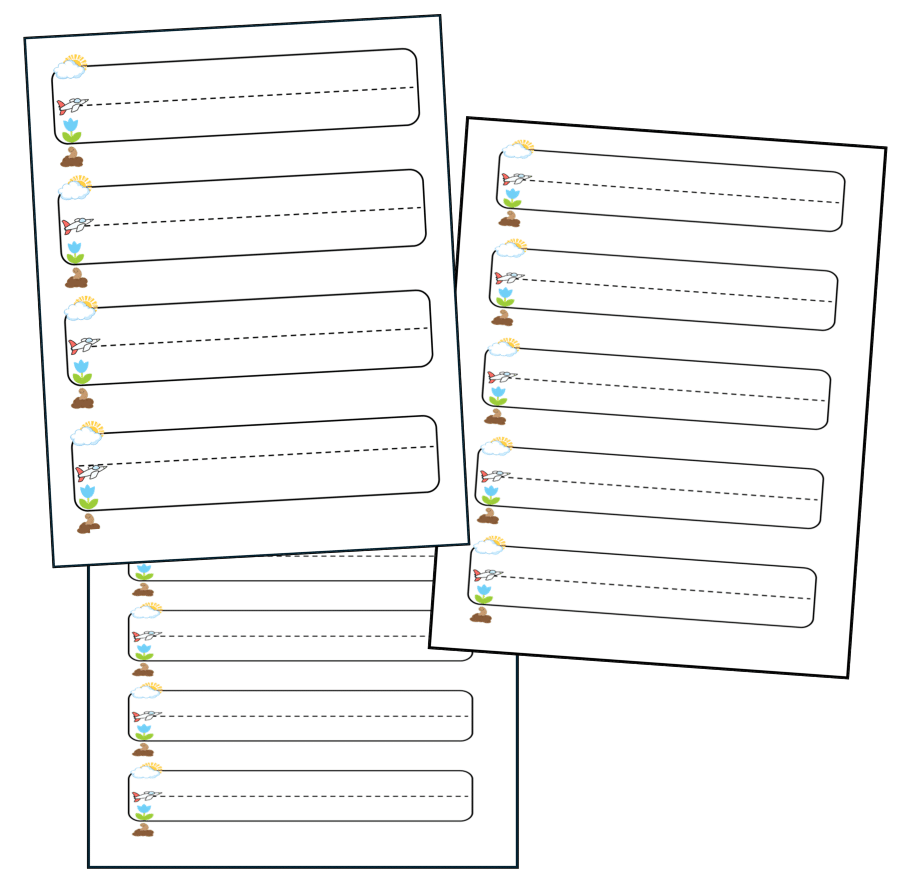
Handwriting paper that provides visual line cues supports handwriting instruction for early learners. I like using sun/clouds, plane, grass, and worm icons to identify letter lines, but there are many other ways to identify letter lines too. Different colored lines; highlighted yellow space; house with top floor, first floor, basement icons; giraffe, hen, monkey icons to name a few. Which type of paper do you use? I would love to hear.
Spacing
In tandem with learning to place letters correctly on lined paper is using spacing within and between words. When writing words (including names), children benefit from hands-on manipulatives and visuals. I like using “spaghetti and meatballs” with my children. They learn to leave “spaghetti” spaces between each letter and “meatball” spaces between their words. These playful visuals make spacing more tangible and support legibility. I like providing students with actual uncooked spaghetti, a Wiki Stix or a piece of yarn, and a little brown pom-pom when we first introduce spacing. Kids love these hands-on visuals that support handwriting instruction for early learners.
Model Daily – Include Skill Focus
Learning the basics is the foundation for clear and confident handwriting instruction for early learners! Beginning writers need daily opportunities to see handwriting instruction come to life in meaningful, authentic ways. Morning Message and Shared Writing are simple, everyday ways to model handwriting and give children meaningful practice with specific skills. A bonus is how handwriting instruction naturally reinforces foundational reading skills. Seeing writing and reading in action is a win-win for beginning literacy learners.
Skills and Next Steps – Guide Handwriting Instruction for Early Learners
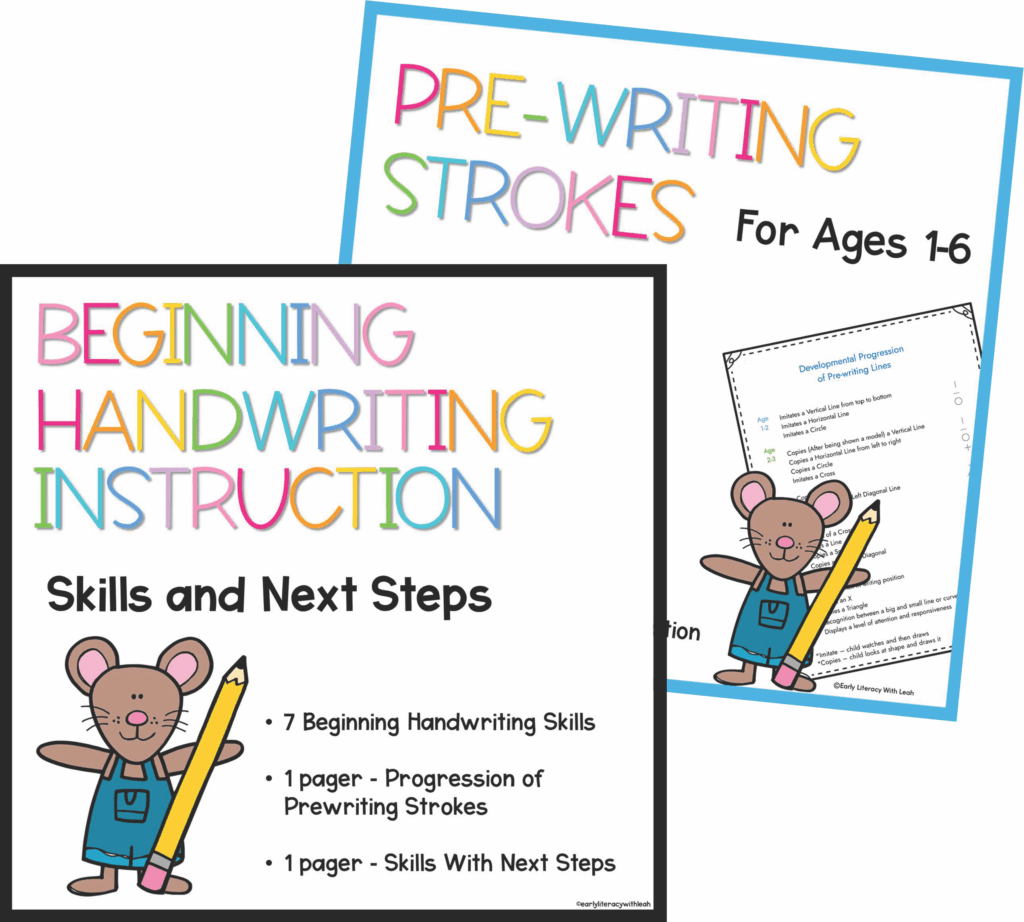
Handwriting guides support handwriting instruction for early learners and ensure that strong habits are addressed throughout the day. They helped me spotlight individual skills and incorporate skills purposefully during our routines. Grab a copy of Teaching Handwriting: Skills and Next Steps from my TPT store. As an added bonus, Progression of Prewriting Strokes – FREEBIE is also included with this product.
Wrapping it all up:
Handwriting instruction is so much more than tracing letters—it’s a thoughtful process that builds on early drawing skills, introduces purposeful routines, and creates confident, capable writers. By teaching these skills step-by-step, in fun and meaningful ways, we’re setting our youngest learners up for handwriting success—and making the journey a joyful one, too!
Related Posts and Resources
Handwriting – Letter Formation Practice for Beginning Writers, a freebie in my TPT store. I especially LOVE this resource because each stroke is presented in its own color: green, yellow, red.
Explore these related posts:
Pre-writing Activities for Early Learners: 8 Powerful, Teacher-Approved Ideas That Work
Discover 3 Ways Handwriting Benefits Early Learning!

Together, let’s bring the magic of literacy to your early learners!