


6 Strategies Ensure Successful Name Writing in PreK-1

Name Writing: The Perfect Starting Place
Successful name writing is one of the best ways to launch writing instruction with young learners. Before children can share their ideas through drawing and writing, it’s powerful to first focus on something deeply personal—their own names! There’s something truly magical about helping children take their very first steps as writers. Each year, I felt a mix of excitement and responsibility as I guided my students on this journey. Starting with successful name writing builds confidence, pride, and a strong foundation for all the writing experiences to come.
First Steps for Successful Name Writing
Name writing is celebrated when a child learns to write their name independently. It is a monumental and empowering moment, and often a child’s first written word. Successful name writing signifies a time of independence and pride. It also builds confidence not only in the classroom but far beyond it. And the best part? Teaching name writing is easily done through playful, engaging, authentic activities!
Successful Name Writing Starts With Name Recognition
Here are 7 tips that make mastering name writing authentic and meaningful:
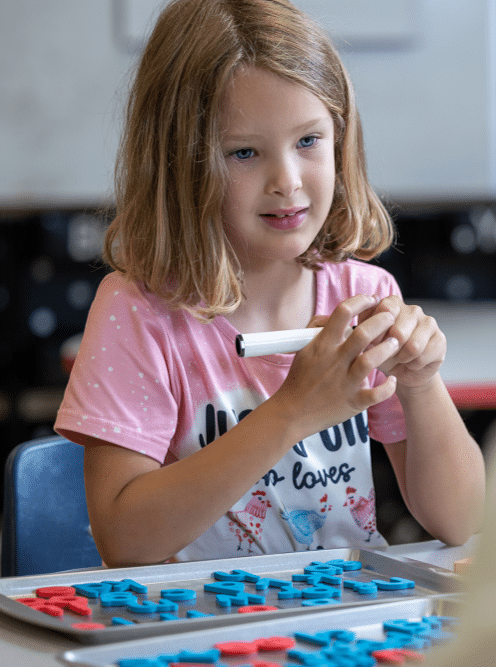
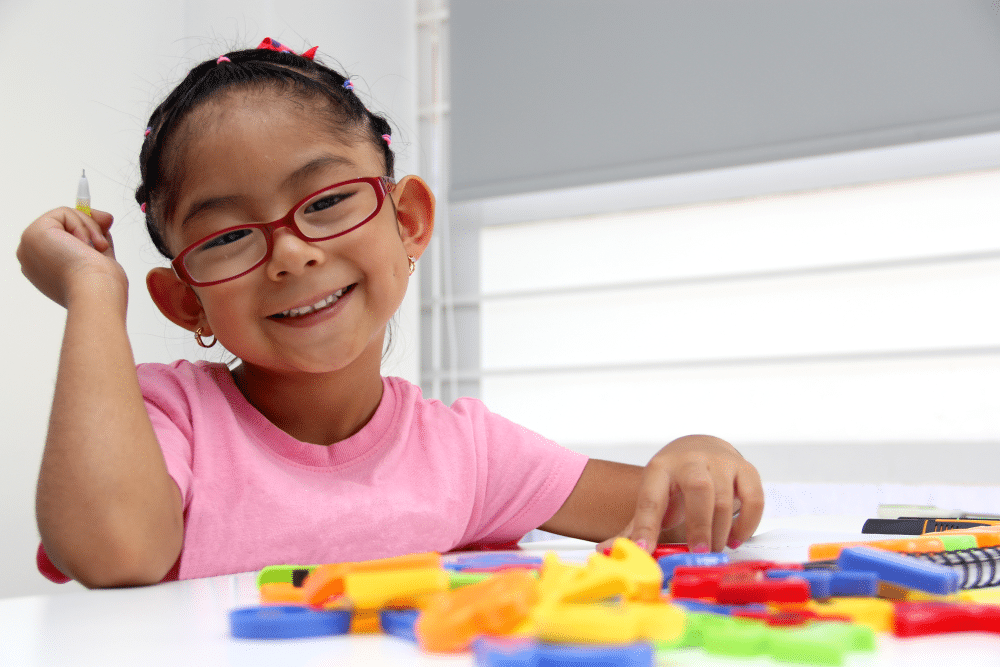
Before children can write their names, they need to recognize them—meaning they can spot their name, say it proudly, and start noticing and naming the letters in it too. Seeing their name written everywhere makes a big difference! The good news? It’s easy to sprinkle name fun everywhere—cubbies, name tags, crafts, and more. You can even build their name with letter blocks, puzzles or magnetic letters. The more playful and meaningful the exposure, the stronger their foundation will be for confident, successful name writing. Every playful moment builds familiarity, excitement, and the strong foundation kids need for successful name writing!
Model Names the Right Way
Show students how their name should be written—with an uppercase letter followed by lowercase letters (e.g., Olivia, Noah). Along with showing students their names, say each letter out loud as you write it to build strong letter-sound connections. Both of these steps will ensure successful name writing. Beginning in PreK, I strongly recommend using a capital letter followed by lowercase letters. In kindergarten and beyond their names will be written this way.
Being that names are individual – It is also a great individual or small group time. Taking one or two children to learn about the letters in their name proves to be a time of enjoyment and connection.
Tracing and Copying for Early Practice
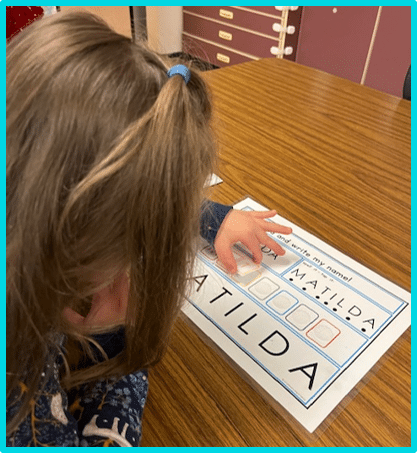
Following an approach that is built with small steps supports successful name writing. Begin with tracing! Dotted-line worksheets, dry-erase boards, or tracing over highlighter lines are all great starting points. Let students “write” with their finger first, then move to markers, crayons or pencils. When children are ready, encourage them to copy their names independently.
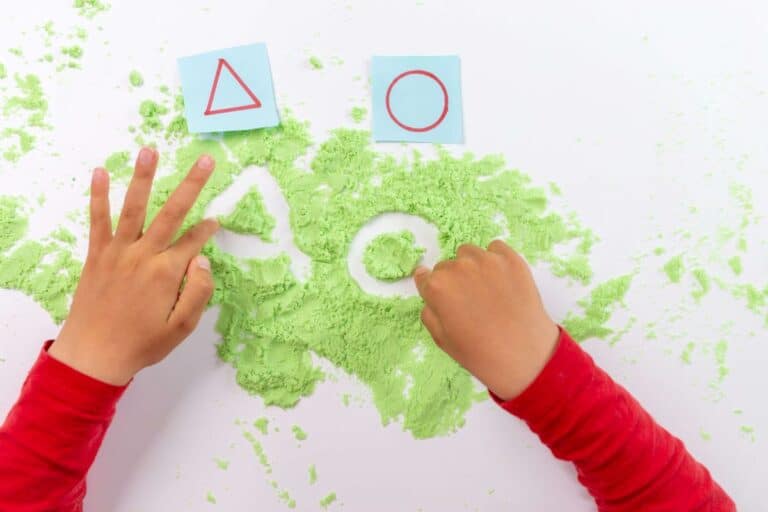
Writing doesn’t need to be practiced with a writing utensil and paper all the time! Let children explore letters through sensory-rich play:
- Trace in salt, sand, or shaving cream.
- Shape letters using playdough or pipe cleaners.
- Even head outside to use sidewalk chalk or a paintbrush and water for big outdoor writing fun.
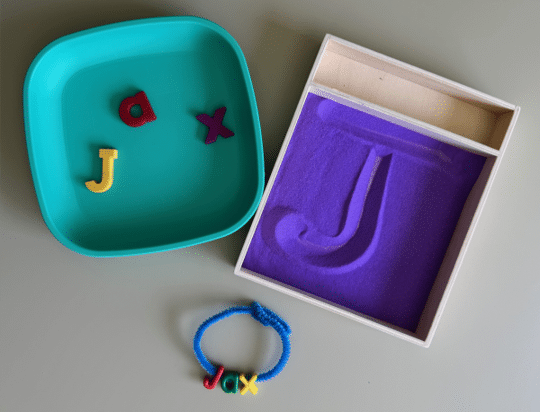
Successful name writing will surely follow when playful, child-friendly activities are encouraged!
Encourage Independent Name Writing
Writing a full name can feel like a big task at first—especially when names are long—so start small! Begin by focusing on the first letter, then slowly build from there. Celebrate every attempt and remember to encourage progress over perfection. Setting up a name writing center as part of choice during center time allows children that are ready for independent name writing an opportunity for practice. When activities are varied from pencil-paper to creative choices it meets the needs of all. I cannot tell you the number of times that a child that has not been interested in learning to write has totally embraced the Name Writing center with determination and glee.

Make Name Writing a Daily Habit
Repetition is everything! Provide children opportunities for successful name writing with small, everyday ways to practice:
- “Sign” artwork or greeting cards.
- Write names on a dry-erase board each morning.
- Chalk names on the sidewalk before playtime.
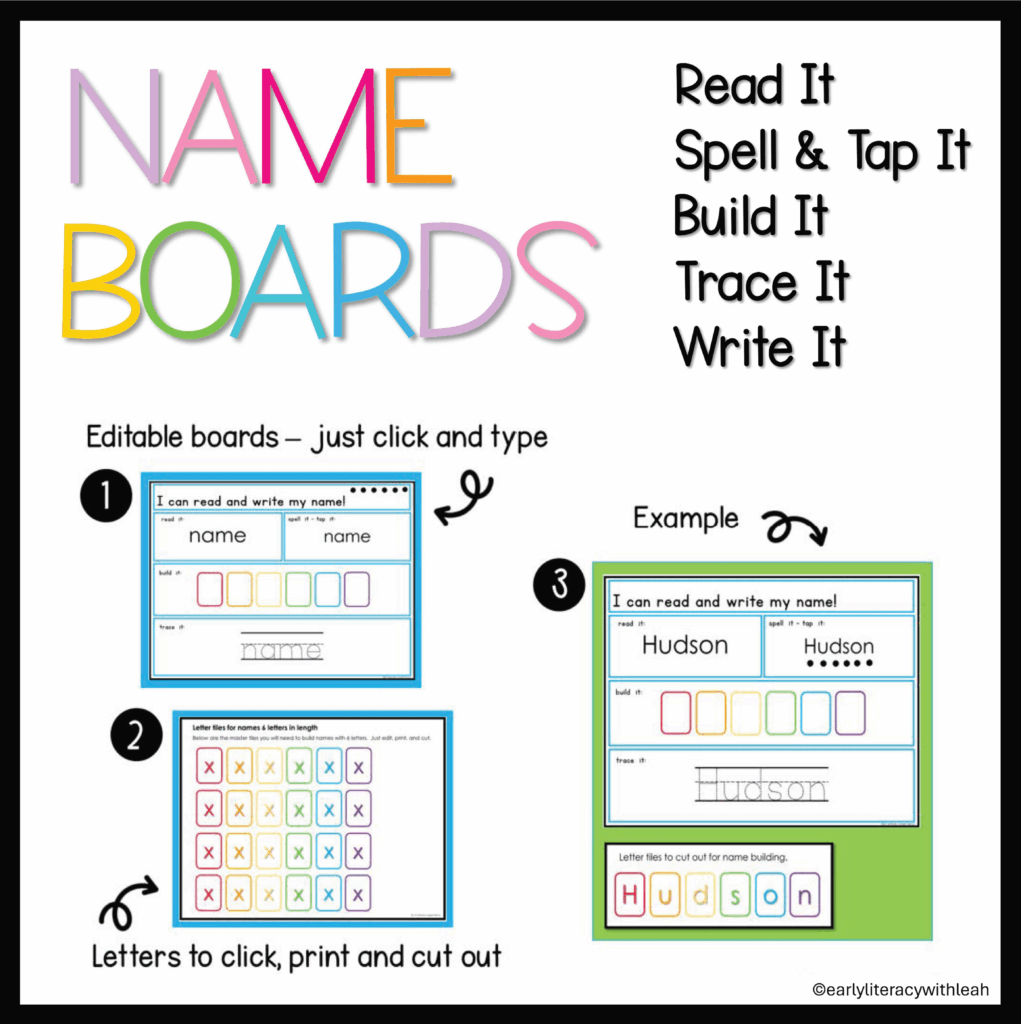
Check out my Name Board resource – it is a quick, positive way to build name recognition and help children spell and write their names! The best part, it is multi-sensory and can be a whole group, small group, or an individual task. It promotes routine and encourages growth over time. By far, it has been the activity that my children have enjoyed and has had the most positive results.
Celebrating Every Success
Writing their name is a huge milestone for all young learners—so continue to make it special! Hang up their work, give high-fives, offer stickers or stamps, and cheer your children on every step of the way. Positive reinforcement builds motivation and joy!
With patience, consistency, and a splash of creativity, name writing will be a joyful experience that sets the stage for successful name writing.
One Last Thought Before You Go
The small things we do each day—like pausing for practice and celebrating name writing—can shape how children see themselves as learners. Keep leaning into what matters most. You’re building strong foundations, one joyful moment at a time.
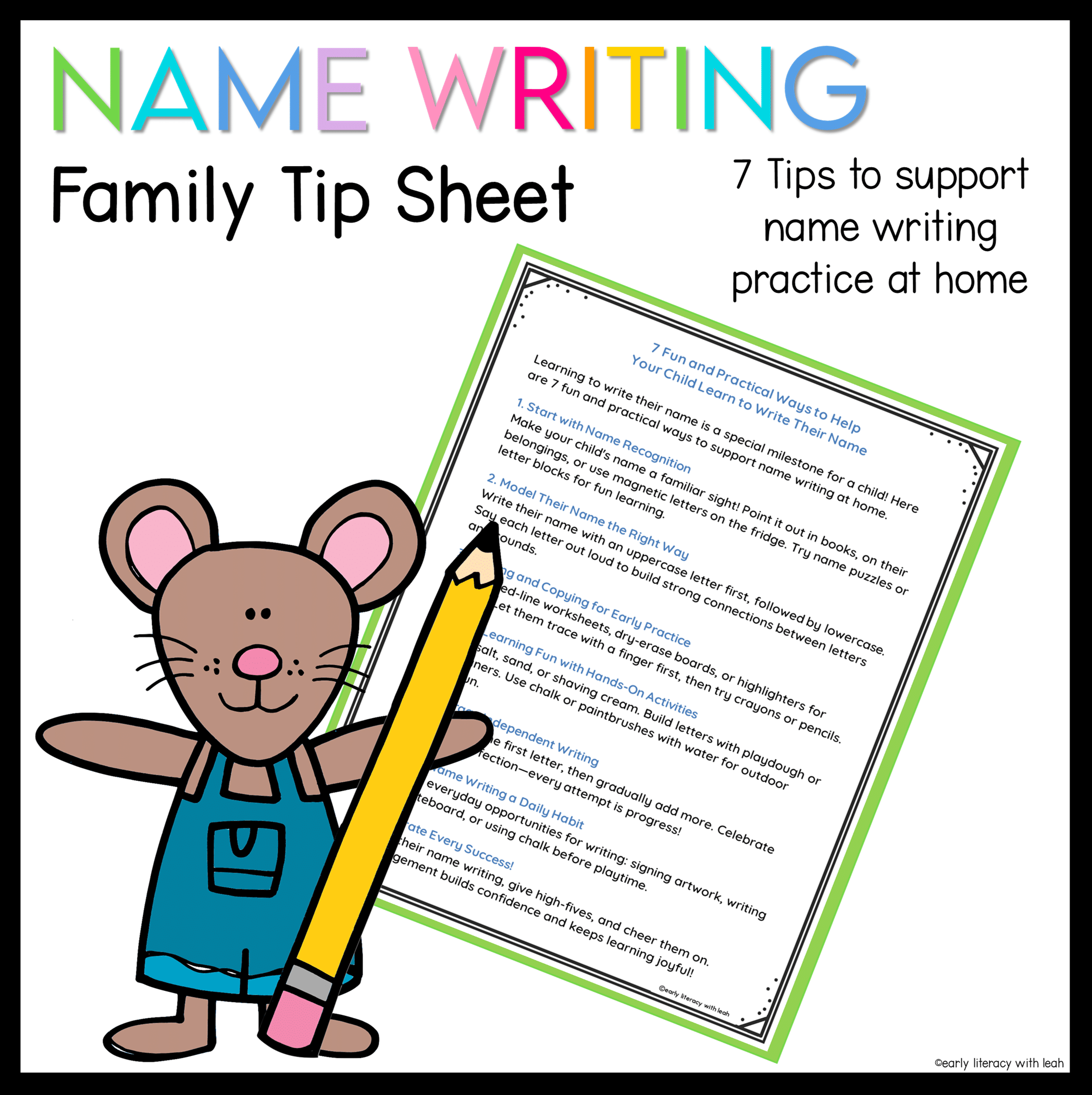
Find this Name Writing Family Tip Sheet to share with your families on TPT.
Related Posts
Dive into 7 Powerful Name Writing Practice Ideas for Home and School.

Together, let’s bring the magic of literacy to your early learners!