


Literacy Centers in K–1 are Magical and Empowering!
Literacy centers in K-1 foster independence, engagement, and joy. If you walked into my classroom during literacy centers, you’d probably see a flurry of activity—children tucked into cozy corners with mini books, building words with magnetic letters, writing silly sentences at the pocket chart, or whisper-reading to a buddy. You’d hear a quiet hum of learning (and maybe a giggle or two). And while it may look a little busy—often like organized chaos—there’s a lot of purpose behind their play.

Independence, engagement, and joy that’s the beauty of literacy centers in K-1 and one of the reasons I’ve come to love them so much.
Like many teachers, I once hesitated to use centers consistently. Would students stay on task? Would I have to spend hours prepping? Could they really learn independently? Over time, I learned the answer is yes. With the right systems and support, using literacy centers in K-1 can become one of the most powerful parts of your day.
Core Beliefs About Literacy Centers in K-1
When planning literacy centers in K–1, these core beliefs guide my decisions:
- Activities are independent: Students work solo or with a partner. Builds ownership and supports small group instruction.
- Centers offer variety: Different paths to practice the same skills. Keeps learning fresh and engaging.
- Focus on foundational skills: Phonics, sight words, fluency, comprehension, and writing. Guides instructional next steps.
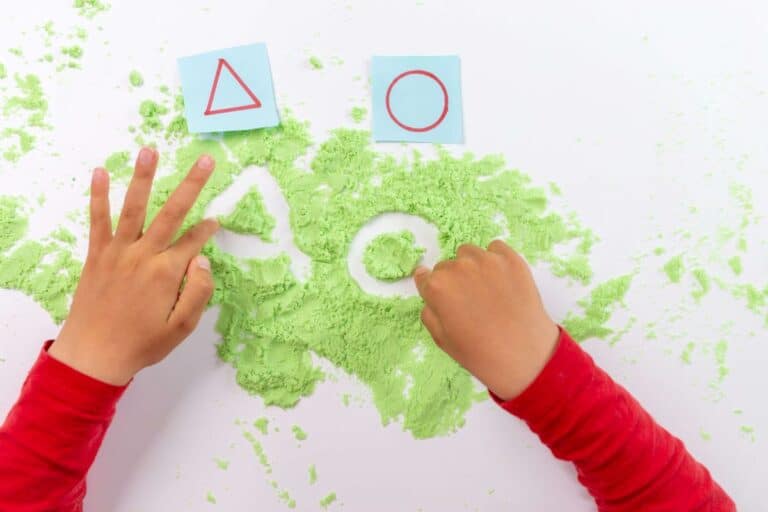
- Hands-on and developmentally appropriate: Multisensory learning through active doing. Helps concepts stick naturally.
- Materials are child-friendly and inviting: Playful learning experiences. Boosts engagement and curiosity.
- Students have choices: Options within structure. Fuels motivation and independence.

What Makes Literacy Centers in K-1 Effective?
Implementing literacy centers in K-1 doesn’t have to be complicated. The key is consistency, meaningful content, and easy navigation for students.
- Clear expectations and routines: Model, model, model. Creates a positive, predictable learning atmosphere.
- Displayed center rotations: Use photos, Smart Board, or pocket charts. Supports easy transitions.
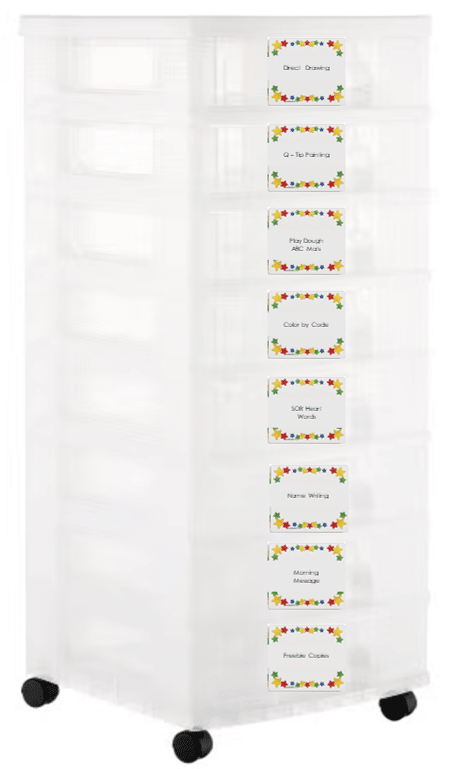
- Kid-friendly storage and clean-up systems: Organized materials children can manage. Promotes independence.
- Familiar formats with rotating content: Jobs stay the same; content changes. Builds confidence through predictability.
- Visual directions or prompts: Student-friendly instructions at each center. Fosters self-management.
- Easily accessible materials: Students handle materials themselves. Encourages autonomy.
- Tasks designed for independent success: Centers require little to no adult help. Empowers ownership of learning.
- Built-in accountability or self-checking features: Checklists, learning contracts, or answer keys. Teaches responsibility.
Why Student Choice Matters
One of my favorite parts of using literacy centers in K-1 is giving students choice. When children choose their tasks for learning, they’re naturally more invested.
That doesn’t mean literacy centers in K-1 are a free-for-all. Small, manageable options like choosing which center to visit first or picking which materials to use enhances engagement. Even small choices empower young learners and encourage independence.
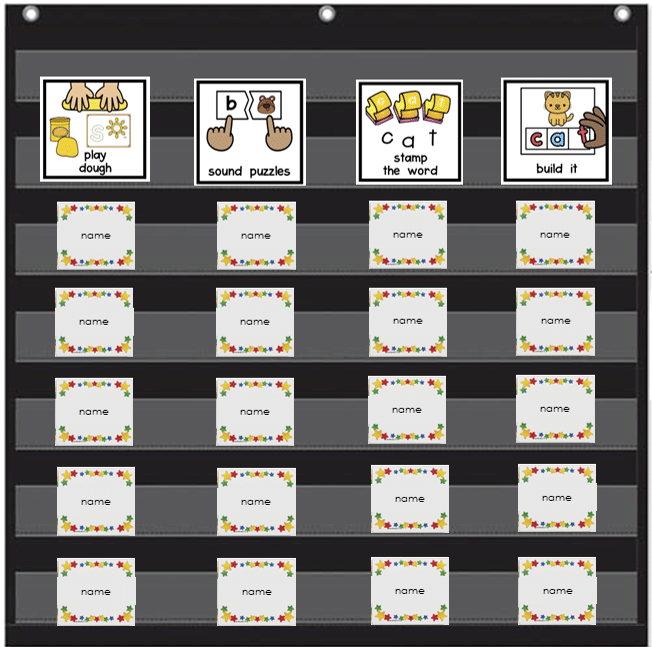
I’ve used pocket charts, picture cards, and color-coded menus to keep center choices organized and structured. My favorite method? A pocket chart with moveable literacy center cards:
- When first introducing centers, I assign student names under specific center cards.
- Once routines are established, students move their own names to make independent choices.
- Simple systems = Successful choices.
K-1 Literacy Center Management
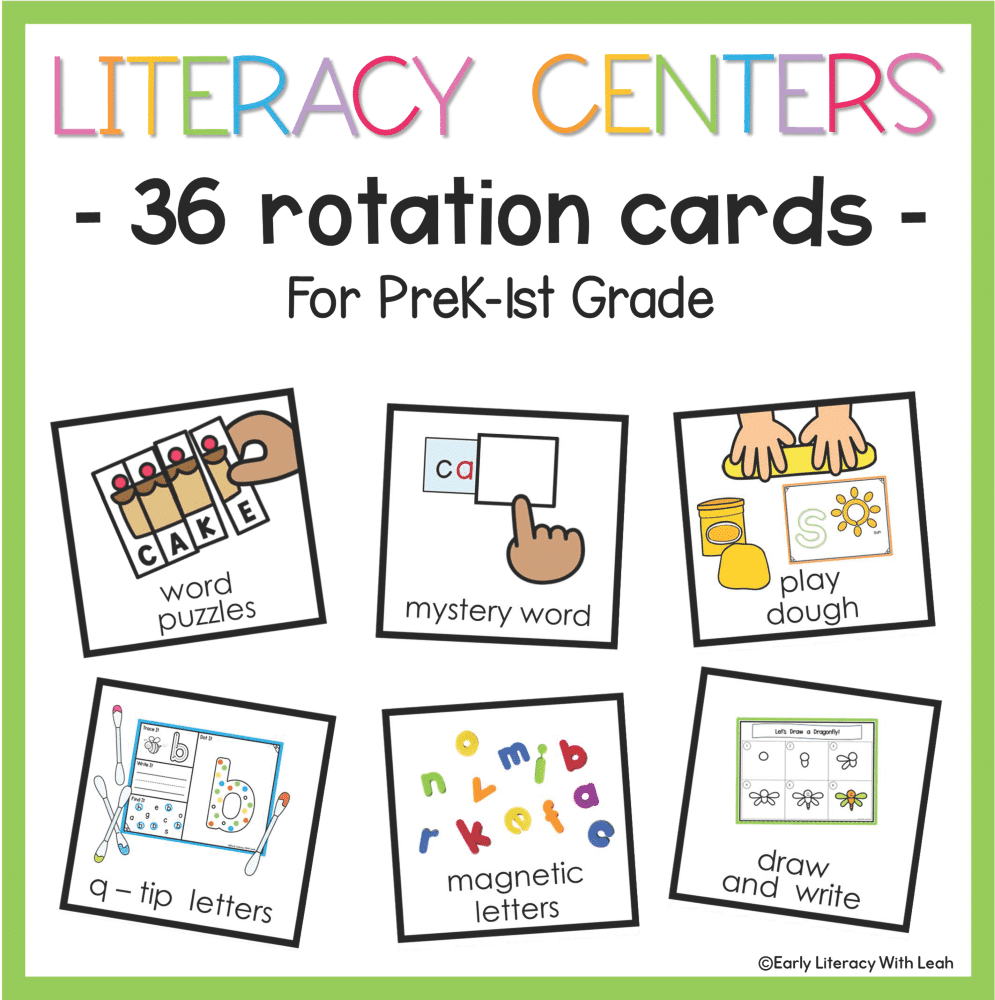
If you’d like a sample of the literacy center cards I have used for literacy centers in K-1, check out Literacy Center Rotation Cards on TPT. The full set includes 36 cards designed to simplify your center management! Be sure to download the preview for a free sample that you can print!
Final Thoughts
Literacy centers in K-1 don’t have to be complicated or time-consuming to be effective.
When they’re built around trust, choice, and strong routines, they become one of the most powerful tools in your classroom. Giving children a chance to explore, play, and practice reading and writing with delight is truly where the magic happens.
Related posts
Learn more about labeling name tags, storage and centers. Read 3 Timesaving Tips and Tricks That Use Name Tags.

Together, let’s bring the magic of literacy to your early learners!